Industry
Medical Delivery
Insulin, blood samples, medications, and lab specimens delivered to remote clinics — within a 100 km radius, in under 2 hours.
What It Carries
The Stork's 200 g payload capacity and 205 × 65 × 80 mm compartment are designed for medical cargo — vials, tubes, blister packs, and specimen containers.
Insulin vials
Multiple vials within 200 g limit
Temperature-stable in short flight windows
Blood samples
Standard blood tubes in padded carrier
Lab-viable within 2-hour delivery
Medications
Pill bottles, blister packs, small Rx
No temperature sensitivity
Lab specimens
Swabs, urine samples, tissue cassettes
Time-critical pathology samples
How It Works
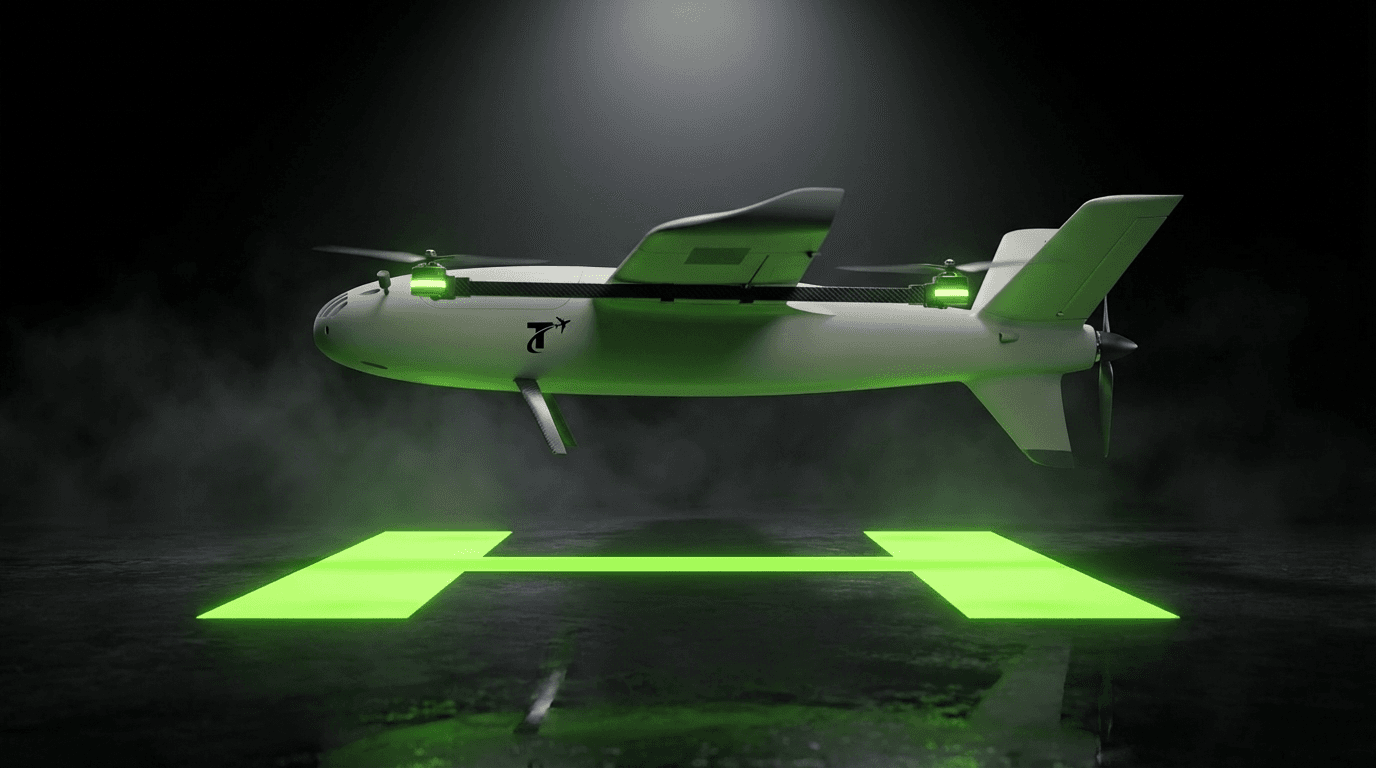
Load the medical cargo into the Stork's payload bay. Program the destination clinic's GPS coordinates in QGroundControl. The aircraft takes off vertically, transitions to efficient cruise, and flies autonomously to the delivery point.
At the destination, the Stork transitions back to VTOL, descends, and lands precisely at the programmed coordinates. Total round-trip time for a 50 km delivery: approximately 2 hours including loading, flight, and return.
Why Drone Delivery
Remote clinics in rural areas may be hours from the nearest hospital by road — if roads exist at all. Weather, terrain, and infrastructure gaps make ground delivery unreliable for time-sensitive medical cargo.
The Stork flies direct, point-to-point. No roads, no traffic, no terrain obstacles. A 50 km delivery that takes 3 hours by vehicle takes under 1 hour by air.